


How to Build an Effective Performance Appraisal System for Better Employee Performance Evaluation
In today’s competitive business world, an effective performance appraisal system is no longer just an administrative task—it’s a strategic tool that drives productivity, engagement, and long-term success. Yet, traditional performance appraisals and annual performance reviews often fall short, relying on outdated methods that fail to inspire growth or align with business goals.
Unfortunately, too many organizations still view appraisals as a “check-the-box” task. Employees dread them, managers rush through them, and the results rarely lead to real growth. But it doesn’t have to be this way. With the right structure, a performance review can become a powerful motivator that builds trust, boosts employee engagement, and aligns people with organizational goals.
This guide explores not just how to design a performance appraisal system, but how to make it one that employees actually value—and look forward to.
1. Setting Clear Goals and Expectations
Imagine trying to win a game without knowing the rules or the scoreboard. That’s what employees experience when they lack clear goals. At the core of any effective performance appraisal system lies SMART goals—Specific, Measurable, Achievable, Relevant, and Time-bound.
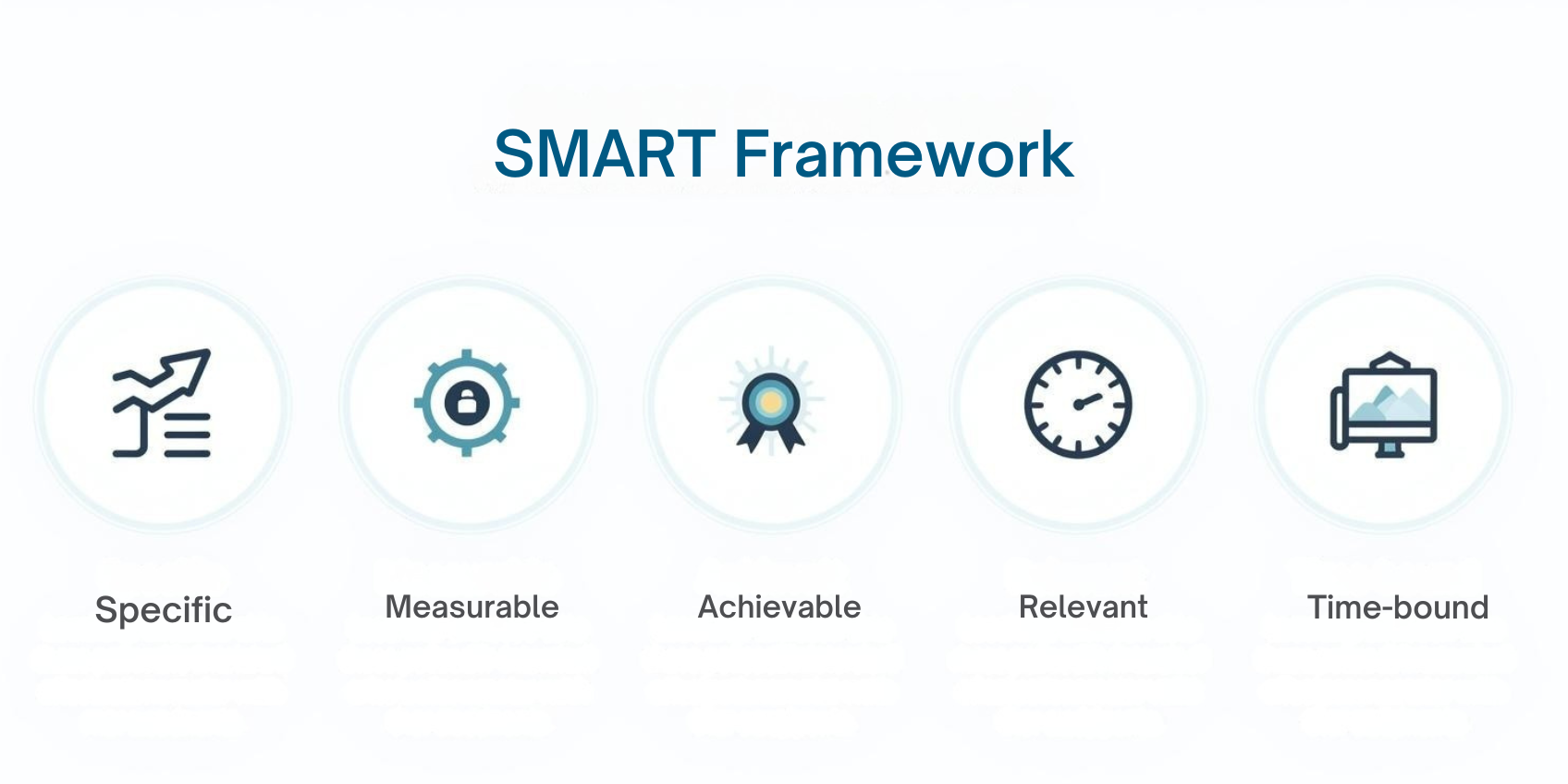
Employees perform best when they understand expectations. Research published in Harvard Business Review shows that clear goal setting increases both accountability and performance (HBR, 2017). An effective performance review process ensures employees have a roadmap for success.
2. The Power of Continuous Feedback and Coaching
Imagine studying all year without ever knowing if you’re on the right track and only finding out at the final exam. That’s what annual reviews feel like for employees. They want guidance in the moment, not months later. This is where continuous feedback comes in. Regular check-ins turn performance reviews into growth-focused conversations rather than stressful events. Instead of criticism, feedback becomes a real-time coaching opportunity.

Weekly or monthly check-ins, rather than waiting for a mid-year review or end-of-year meeting, foster accountability and trust. According to Gallup, employees who receive meaningful feedback are nearly 4 times more likely to be engaged at work (Gallup, 2020).
3. The Secret Advantage of 360-Degree Feedback Most Companies Miss
One of the most common complaints about performance reviews? They feel one-sided. Employees often feel judged, not understood. That’s why 360-degree feedback has become a cornerstone of modern performance evaluation systems. Instead of only receiving feedback from managers, employees also get insights from peers, subordinates, and even customers. This creates a well-rounded view of performance and minimizes bias.

When employees receive performance review feedback examples from multiple perspectives, they gain a clearer understanding of their impact and opportunities for growth. This approach improves fairness and transparency in the staff appraisal process (SHRM, 2022).
4. Objective Evaluation Criteria: Build Trust
One challenge in employee performance evaluations is eliminating bias. An objective performance evaluation system uses measurable outcomes aligned with company values and competencies.

For instance, standardized performance appraisal examples or self-evaluation forms help managers assess consistently. By focusing on objective data rather than subjective impressions, organizations reduce bias and ensure fairness (Forbes, 2021).
5. Turning Appraisals Into Employee Development Plans
An employee appraisal should not only review past results but also set the stage for future success. After each performance appraisal meeting, managers and employees should create self-appraisal examples and development plans tailored to career goals.

Personalized learning and development opportunities have been shown to boost retention. A LinkedIn Workplace Learning Report found that 94% of employees would stay longer at a company that invests in their career growth (LinkedIn, 2022).
6. Manager Training Makes or Breaks Performance Reviews
Even the best performance appraisal system is ineffective without capable managers. Leaders must be trained to conduct annual performance reviews, provide constructive performance feedback, and write meaningful evaluations.
According to Deloitte, management capability is one of the strongest predictors of employee performance outcomes (Deloitte, 2019). Training in performance coaching, active listening, and conflict management helps ensure reviews are effective and trusted.
7. Technology Integration
Technology plays a vital role in modernizing the performance review process. Using performance review software or an integrated HRIS allows organizations to:
- Document goals and self-evaluations
- Track progress on performance appraisals
- Provide real-time recognition
- Generate automated performance evaluation examples
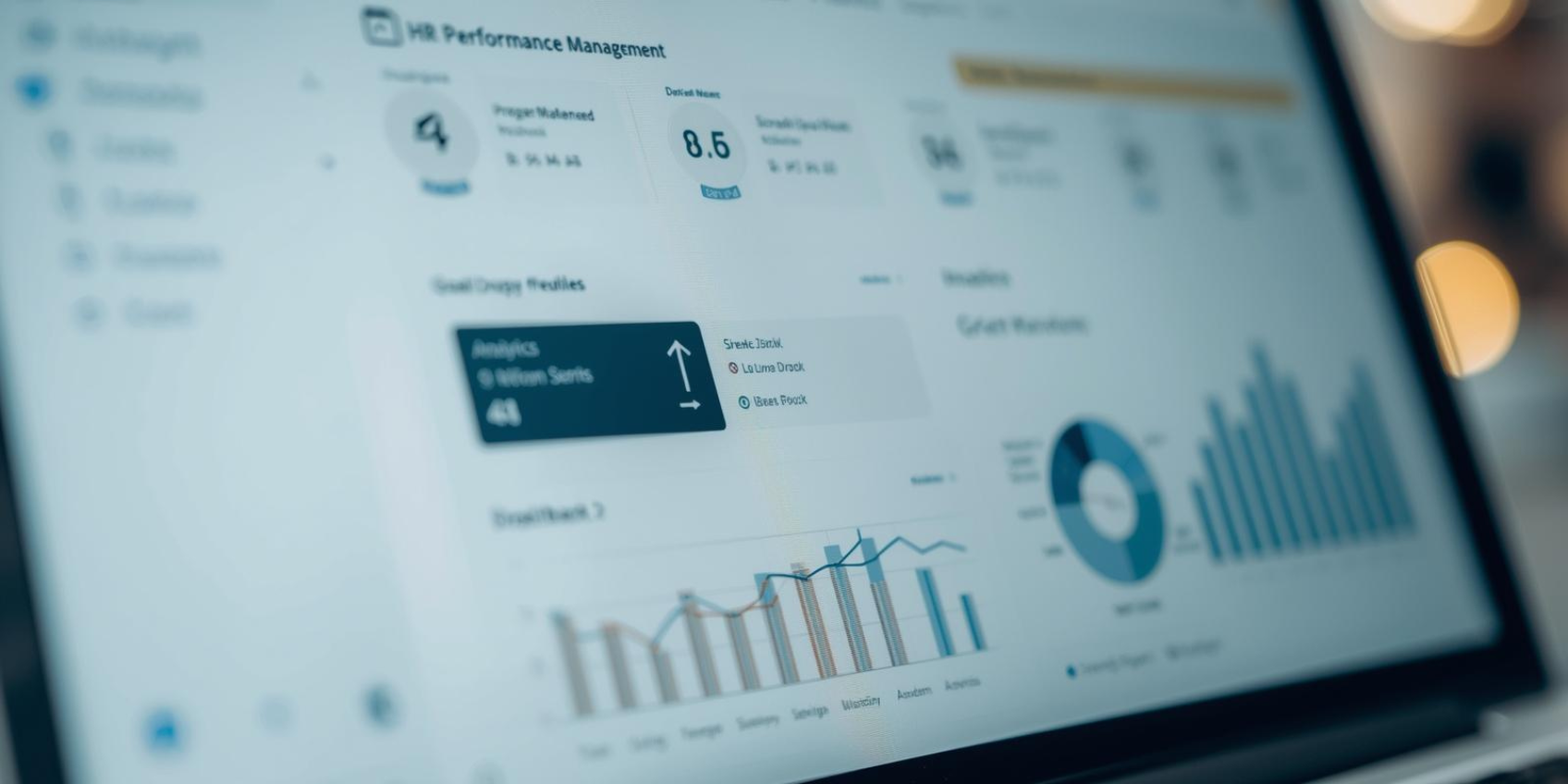
SHRM reports that organizations leveraging HR technology experience improved consistency in performance management and higher employee satisfaction (SHRM, 2021).
Conclusion
An effective performance appraisal system is more than an annual event—it’s a continuous process that drives employee engagement, accountability, and business growth. By setting clear goals, fostering continuous coaching, using 360-degree feedback, creating personalized development plans, and leveraging technology, organizations can transform performance reviews into catalysts for success.
At HR Partners, we specialize in helping businesses and brokers enhance employee management through HRO solutions, ASO services, payroll outsourcing, and HRIS technology. With the right systems in place, performance appraisals become a strategic advantage—empowering employees and helping organizations thrive.
Ready to strengthen your performance management process? Contact HR Partners today.