
HR Metrics & Analytics: How Data-Driven HR Drives Business Growth
In human resources, data is more than numbers; it reveals insights into employee engagement, retention, productivity, and overall organizational health. By harnessing workforce analytics, HR leaders can shift from reactive processes to proactive strategies that fuel both employee success and business performance.

What HR Metrics & Analytics Really Mean
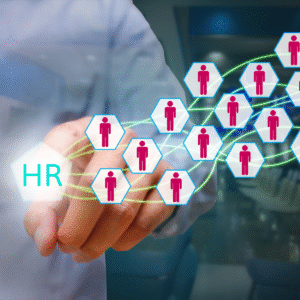
HR metrics and analytics involve the systematic collection, analysis, and interpretation of workforce data across multiple areas. Recruitment metrics reveal the efficiency of hiring processes, while performance metrics highlight how employees contribute to organizational goals. Turnover and retention data uncover trends in why employees leave, helping leaders take proactive action. Training and development analytics demonstrate whether employees are gaining the skills needed to grow, while diversity and inclusion metrics ensure fairness and equity in career advancement. These insights provide HR professionals with a clear picture of workforce health, empowering them to design strategies that strengthen both employee experience and business outcomes.

Understanding HR metrics is only the beginning—how your organization manages and implements them makes all the difference. Partnering with a Professional Employer Organization (PEO) can help businesses streamline HR operations and centralize workforce data for better analytics. If you prefer maintaining control while outsourcing administrative tasks, our Administrative Services Organization (ASO) solutions offer flexibility and efficiency, empowering your HR team to focus on strategic, data-driven initiatives.
How HR Metrics Drive Business Success
Using workforce analytics goes beyond smarter decisions—it directly impacts organizational performance:
-
Recognizing high-performing employees fosters a culture of excellence
-
Engagement metrics help build leadership pipelines and succession strategies
-
Training analytics ensure employees are future-ready
-
Data-driven HR practices improve employee satisfaction and profitability

Studies from Deloitte show that organizations prioritizing HR analytics outperform peers in both engagement and business results. By making decisions informed by data, companies unlock higher productivity, stronger retention, and long-term growth.
Data-driven HR doesn’t stop at analytics—it integrates with performance management and employee development. Our recent guide, How to Build an Effective Performance Appraisal System, explores how performance reviews and continuous feedback align with HR analytics to boost engagement and retention. By combining metrics with actionable feedback, organizations can foster a culture of continuous improvement.
From Analytics to Action: Making HR Data Work for You
To successfully adopt HR metrics, organizations must begin by clarifying their objectives. Whether the goal is reducing turnover, improving engagement, or strengthening leadership pipelines, clarity ensures the right metrics are being tracked. Investing in the right HRIS and analytics tools helps create accessible dashboards that deliver real-time insights.
To successfully adopt HR metrics, organizations should:
-
Define objectives clearly: Reduce turnover, improve engagement, or strengthen leadership pipelines
-
Invest in the right tools: HRIS systems and analytics dashboards for real-time insights
-
Ensure data quality and governance: Maintain accuracy, security, and compliance
-
Continuously evaluate: Review metrics regularly and refine strategies based on insights
By following these steps, HR leaders can turn raw data into actionable strategies that drive meaningful results.
The Hidden Challenges of HR Analytics (and How to Overcome Them)
While the benefits of HR analytics are clear, implementation comes with challenges. Data accuracy remains a pressing concern—decisions are only as good as the data on which they are based. Many organizations also struggle with outdated systems, insufficient HR technology, and limited access to reliable reporting tools. Equally important is the skills gap; HR teams often need additional training to confidently interpret data and apply it strategically. SHRM reports that many HR professionals believe their organizations lack the infrastructure and data literacy required to fully embrace analytics. Privacy and ethics also play a role, as predictive models and AI tools must be managed carefully to avoid bias and protect employee trust.

Emerging Trends in HR Analytics
The future of HR analytics is advancing rapidly. Prescriptive analytics is now enabling HR leaders not just to predict outcomes but to identify the best actions to take. Artificial intelligence and machine learning are being used to forecast attrition, personalize learning programs, and reduce unconscious bias in hiring and promotions. Real-time analytics and frequent pulse surveys are replacing outdated annual reviews, giving organizations faster and more accurate insights into workforce needs. Most importantly, HR metrics are increasingly being tied directly to business outcomes such as revenue, customer satisfaction, and innovation. By proving that HR impacts bottom-line results, workforce analytics cements HR’s role as a strategic partner in business growth. Research from AIHR and MDPI shows how predictive and prescriptive HR analytics are already shaping the future of workforce management.
Why Your Next Move Must Be Data-Driven
In today’s data-driven business environment, HR metrics and analytics are indispensable tools for achieving sustainable growth. They allow organizations to move beyond guesswork and make smarter, evidence-based decisions that improve retention, engagement, and overall workforce performance.
The future of HR analytics is advancing rapidly:
-
Prescriptive analytics: Identifies the best actions, not just predictions
-
AI and machine learning: Forecast attrition, personalize learning, and reduce hiring bias
-
Real-time analytics and pulse surveys: Replace outdated annual reviews with faster insights
-
Linking HR metrics to business outcomes: Metrics increasingly measure revenue, customer satisfaction, and innovation
Research from AIHR and MDPI highlights how predictive and prescriptive analytics are shaping workforce management and solidifying HR’s role as a strategic business partner.
Implementing HR analytics tools not only enhances decision-making but also strengthens the connection between people and business performance. When paired with comprehensive PEO and ASO/ HRO solutions, these technologies streamline processes, ensure compliance, and provide the data clarity leaders need to act strategically. From reducing turnover and improving productivity to forecasting future talent needs, these insights position HR as a true strategic partner in achieving long-term success.
As emerging technologies like AI and predictive analytics continue to evolve, organizations that embrace these innovations will lead the way in HR transformation. The future of HR belongs to those who use data not just to measure success—but to create it.
Partner with HR Partners to transform your workforce strategy using data-driven insights. Our experts can help you implement the right HR technology solutions, interpret analytics effectively, and build a stronger, more engaged team.