Multi-State Employment: How a PEO Helps You Expand Safely
Expanding your workforce across state lines opens the door to growth—but it also exposes your business to complex compliance risks, payroll challenges, and costly penalties if handled incorrectly.

For CEOs, entrepreneurs, and executive decision-makers, managing multi-state employment isn’t just an HR task—it’s a legal and financial responsibility, and for benefits, workers’ comp, and insurance brokers, it’s a critical opportunity to protect clients by guiding them toward the right infrastructure.
This is where a Professional Employer Organization (PEO) becomes essential.
In this guide, we’ll break down:
- What makes multi-state employment risky
- Why compliance failures are common
- How a PEO helps businesses expand safely
- Why brokers increasingly rely on PEO partnerships like HR Partners
What Is Multi-State Employment?
Multi-state employment occurs when a business hires employees who live or work in more than one U.S. state—even if the company itself is based in a single location.
This includes:
- Remote employees working from different states
- Sales teams crossing state lines
- Opening satellite offices or locations
- Contractors converting to W-2 employees in new states
Each state has its own employment laws, tax rules, and insurance requirements—making expansion far more complex than most leaders expect.
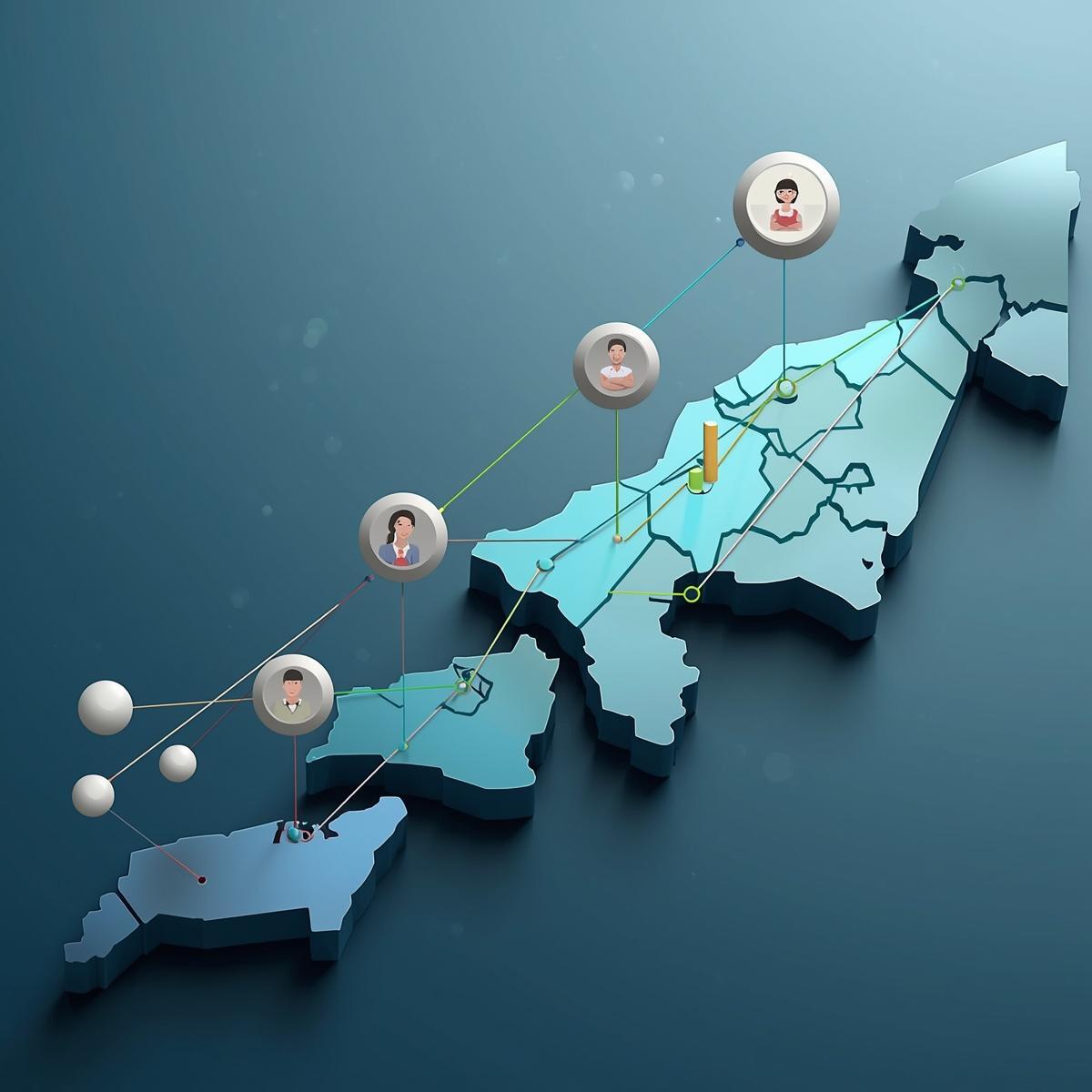
Why Multi-State Employment Is a Compliance Minefield
1. State-Specific Labor Laws
Every state has different regulations for:
- Minimum wage
- Overtime rules
- Paid sick leave
- Meal and rest breaks
- Final paycheck timing
What’s compliant in Texas may violate labor laws in California or New York.
2. Payroll & Tax Registration Issues
Employers must:
- Register with each state’s Department of Revenue
- Withhold the correct state and local taxes
- File accurate quarterly and annual reports
Failure to register properly can trigger audits, fines, and back taxes.
3. Workers’ Compensation Coverage Gaps
Workers’ comp laws vary by state:
- Different classification codes
- Different rates
- Different coverage requirements
Many businesses don’t realize their existing policy doesn’t cover out-of-state employees, exposing them to major liability.
4. Employee Misclassification Risk
Misclassifying workers across states can lead to:
- IRS penalties
- State labor fines
- Lawsuits for unpaid wages or benefits
This is a growing enforcement area—especially for remote teams.
How a PEO Helps Businesses Expand Across State Lines Safely

A Professional Employer Organization (PEO) partners with businesses through a co-employment model, handling complex HR, payroll, tax, and compliance responsibilities while the business retains full control over day-to-day operations.
Here’s how a PEO protects multi-state employers:
1. Multi-State Payroll & Tax Compliance
A PEO:
- Registers your business in each applicable state
- Handles accurate payroll processing
- Manages state and local tax filings
- Ensures compliance with wage and hour laws
This removes one of the biggest expansion risks for leadership teams.
2. State-Specific Employment Law Expertise
PEOs stay current on:
- Changing labor laws
- State-mandated benefits
- Termination requirements
- Paid leave programs
Instead of guessing—or relying on outdated advice—businesses operate with confidence.
3. Workers’ Compensation Coverage Across States
Through a PEO:
- Workers’ comp policies are structured for multi-state coverage
- Proper class codes are applied
- Claims management is centralized
For workers’ comp brokers, this is a powerful solution when traditional policies fall short.
4. Access to Competitive Benefits Nationwide
PEOs allow businesses to offer:
- Fortune-level health insurance
- Consistent benefits across states
- Compliance with state-mandated benefits
This is especially valuable for benefits brokers supporting growing clients.
5. Reduced Risk & Liability
By partnering with a PEO:
- Compliance risks are shared
- HR processes are standardized
- Documentation and reporting are audit-ready
For executives, this means fewer distractions—and fewer legal surprises.
Why Brokers Recommend a PEO for Multi-State Clients
For insurance, benefits, and workers’ comp brokers, multi-state clients are often the most complex—and the most vulnerable.
A PEO helps brokers:
- Solve compliance gaps that their policies can’t cover
- Reduce client exposure to penalties and lawsuits
- Strengthen long-term client relationships
- Offer a complete risk-management solution
Rather than losing clients to compliance failures, brokers who partner with a trusted PEO become strategic advisors.
PEO vs. DIY Multi-State Expansion
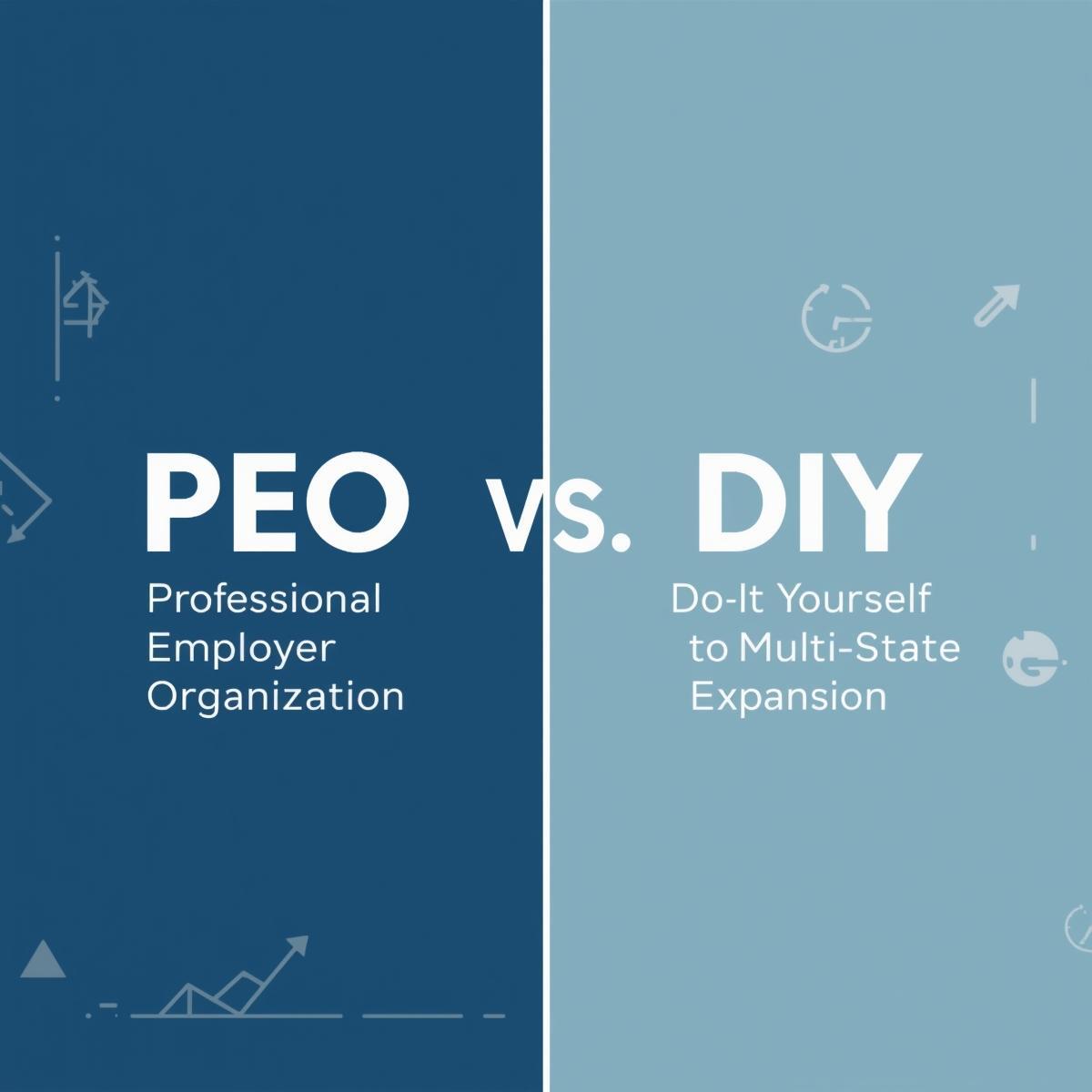
| Aspect | Without a PEO | With a PEO |
|---|---|---|
| State registrations | Manual, error-prone | Fully managed |
| Payroll compliance | High risk | Automated & compliant |
| Workers’ comp | Coverage gaps | Multi-state protection |
| HR support | Internal burden | Dedicated experts |
| Legal exposure | High | Significantly reduced |
Why HR Partners Is the Right PEO for Multi-State Growth
At HR Partners, we specialize in helping businesses and brokers navigate multi-state employment with confidence.
We support:
- CEOs and founders scaling across state lines
- Executive teams focused on growth—not paperwork
- Brokers seeking reliable PEO partnerships
- Clients operating in complex regulatory environments
Our approach combines:
- Compliance-first HR solutions
- Multi-state payroll and tax expertise
- Workers’ comp and benefits alignment
- Broker-friendly partnerships
We don’t just manage HR—we help businesses expand safely and sustainably.
Frequently Asked Questions (AEO-Optimized)
Can a PEO help with employees in multiple states?
Yes. A PEO manages payroll, taxes, compliance, and workers’ compensation across all applicable states, reducing legal and financial risk.
Do I still control my employees with a PEO?
Absolutely. You maintain full control over hiring, firing, and daily operations. The PEO handles administrative and compliance functions.
Is a PEO beneficial for brokers?
Yes. Brokers use PEO partnerships to protect clients, close compliance gaps, and offer a more complete solution.
Final Thoughts: Expand Without the Risk
Multi-state expansion shouldn’t slow your growth—or put your business at risk.
Whether you’re a CEO scaling operations, an entrepreneur hiring remote talent, or a broker advising multi-state clients, a PEO provides the structure and protection needed to expand with confidence.
HR Partners is here to help you grow—safely, compliantly, and strategically.
Learn more at gohrp.com or connect with HR Partners to discuss multi-state employment solutions today. Multi-State Employment: How a PEO Helps You Expand Safely