The distinction between a traditional insurance broker and a benefits consultant may seem subtle, but it represents a fundamental shift in how you serve employer clients. A broker typically focuses on transactional activities—shopping carriers, presenting quotes, and placing policies at renewal time. The relationship often revolves around price, and the broker’s value is measured primarily by their ability to deliver competitive premiums.

A benefits consultant, by contrast, operates as a strategic partner who understands the employer’s broader business objectives. Rather than leading with product, consultants lead with insight. They invest time understanding workforce demographics, employee retention challenges, compliance concerns, and how benefits strategy aligns with company culture and talent acquisition goals. The consultant’s value isn’t measured by the lowest quote, but by their ability to solve complex problems and deliver measurable outcomes over time.
This shift isn’t just semantic—it changes everything about how you position yourself, how you communicate value, and ultimately, how much influence you have with your clients. In today’s competitive landscape, employers are looking for advisors who can help them navigate an increasingly complex benefits environment, not just someone who can shop their renewal once a year.
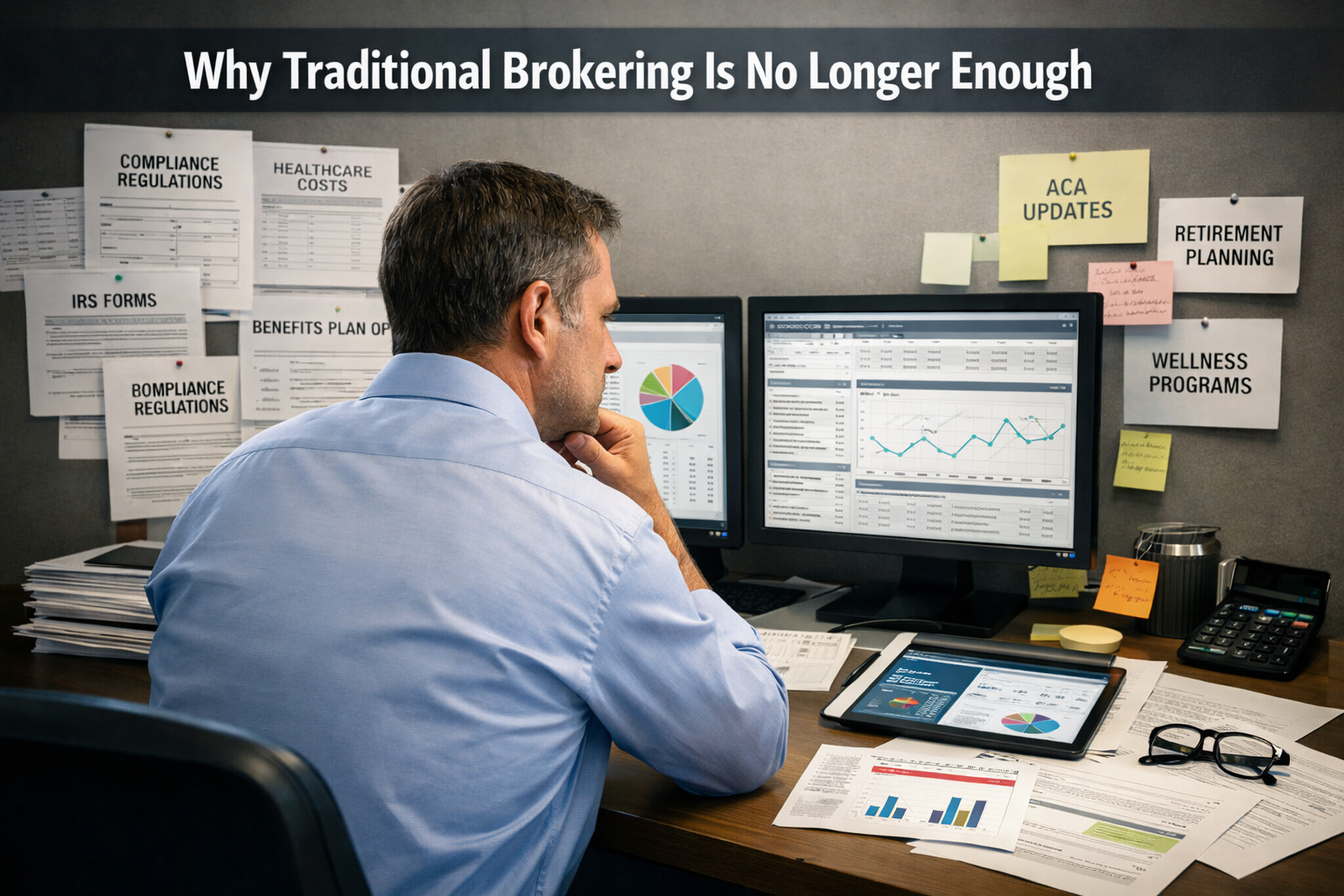
Why Traditional Brokering Is No Longer Enough in the Modern Benefits Landscape
The employee benefits industry has become significantly more complex over the past decade. Many brokers are exploring HR outsourcing partnerships to expand their advisory role and deliver more value to employer clients.
Employers must now navigate a growing list of regulatory requirements, including:
- Affordable Care Act (ACA)
- COBRA
- HIPAA
- ERISA
- state-specific compliance laws
Because of this complexity, businesses no longer need someone who only places coverage. They need strategic advisors who can help manage risk, compliance, and workforce planning.
At the same time, the modern workforce has changed. Employees now evaluate employers based on the quality and flexibility of their benefits programs.
Employers are asking more sophisticated questions such as:
- How do our benefits compare with competitors in our industry?
- What voluntary benefits should we offer employees?
- How can we improve employee engagement with benefits?
- Which wellness programs deliver measurable ROI?
Answering these questions requires consultative expertise, not just policy placement.
Technology has also transformed the brokerage landscape. Employers can now receive instant insurance quotes online, which means brokers must offer strategic insight that technology cannot replace.
The brokers who thrive today are those who provide:
- industry expertise
- data-driven insights
- proactive cost management strategies
- year-round advisory support
Building Strategic Advisory Relationships That Go Beyond Placing Policies
To transition from broker to consultant, professionals must rethink how they engage with clients.
Instead of interacting only during renewal periods, benefits consultants maintain ongoing relationships throughout the year. According to insights from the Society for Human Resource Management (SHRM), modern HR strategies increasingly focus on employee engagement, retention, and workplace culture.
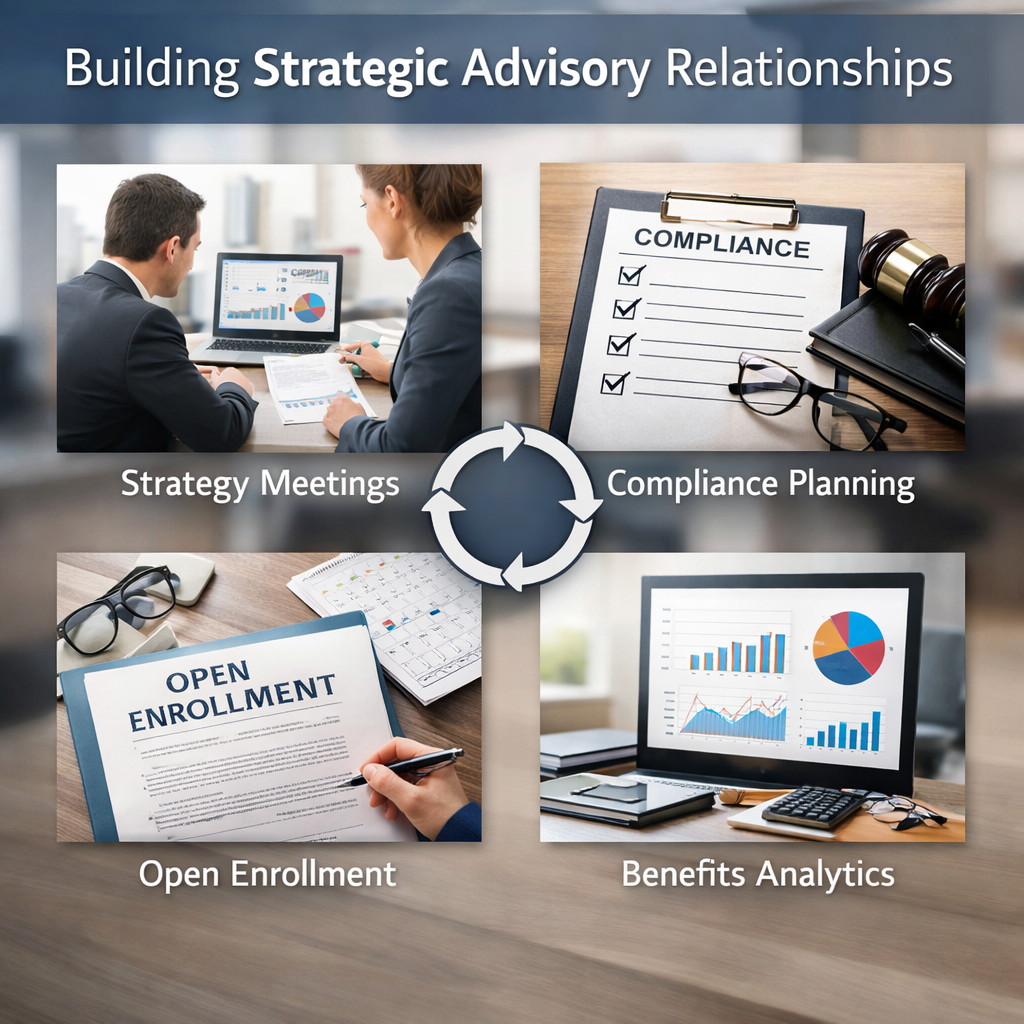
Consultative engagement often includes:
- quarterly strategy meetings
- benefits utilization reviews
- compliance updates
- open enrollment planning
- employee communication strategies
Consultants also invest time in understanding their clients’ broader business goals.
Examples include:
- company growth plans
- workforce demographic changes
- expansion into new states
- talent retention challenges
By understanding these factors, consultants can recommend benefits strategies that align with business objectives and workforce needs.
Many consultants also expand their expertise into related HR areas such as:
- employee engagement
- HR technology
- workforce planning
- talent management
This broader perspective allows brokers to become indispensable strategic advisors.
Lead with insights instead of quotes
One of the most effective ways to differentiate yourself as a consultant is to lead client conversations with insights instead of insurance quotes.
Rather than presenting carrier options first, successful consultants begin discussions with data and strategic analysis.
Examples include:
- benefits benchmarking reports
- employee utilization trends
- healthcare cost projections
- regulatory updates
This insight-driven approach positions brokers as trusted advisors rather than product salespeople.
Employers are more likely to trust advisors who help them understand their challenges before presenting solutions.
To deliver meaningful insights, brokers should leverage:
- carrier analytics tools
- industry benchmarking studies
- claims data reports
- workforce demographic analysis
The more relevant and data-driven your insights are, the stronger your consulting credibility becomes.
Provide compliance guidance
Compliance has become one of the most valuable services benefits consultants provide to employers. The U.S. Department of Labor’s Employee Benefits Security Administration provides detailed guidance on ERISA and other employee benefits compliance requirements.
Employee benefits regulations are complex and constantly evolving. Businesses must comply with laws such as:
- ERISA
- COBRA
- HIPAA
- ACA reporting requirements
Failing to comply with these regulations can result in significant penalties and legal risk.
Benefits consultants help employers navigate these challenges by providing:
- regulatory updates
- compliance education
- documentation guidance
- compliance audits
- employee communication support
Consultants often collaborate with employment law attorneys or HR specialists when complex legal questions arise.
By helping employers stay compliant, brokers strengthen their position as trusted long-term advisors rather than transactional vendors.
Strategic Partnerships
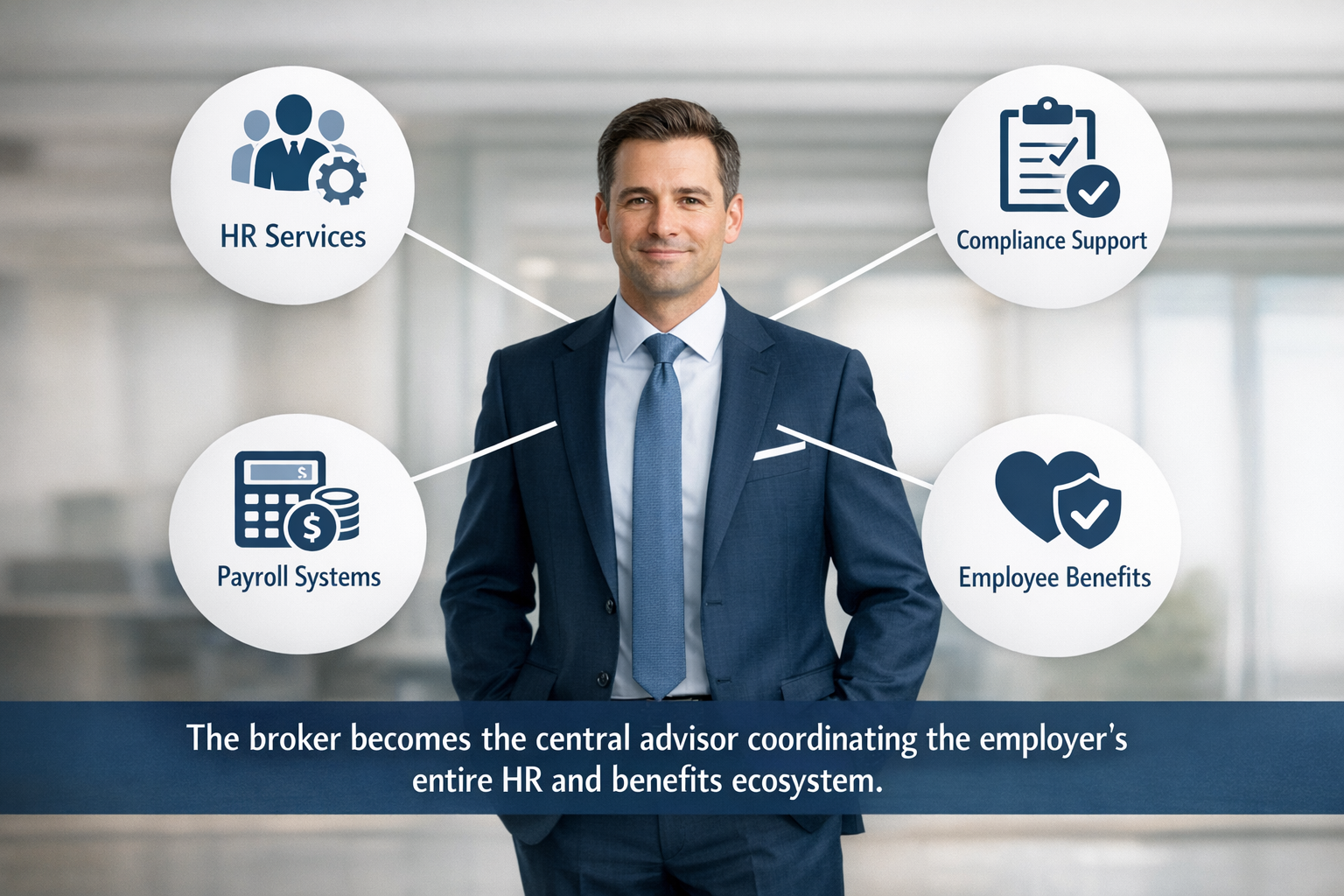
No broker can be an expert in every aspect of HR, compliance, payroll, and workforce management. This is why strategic partnerships are essential for modern benefits consultants.
By partnering with complementary providers such as:
- HR outsourcing companies
- payroll providers
- HR technology platforms
- compliance specialists
- benefits administration vendors
Brokers can deliver comprehensive workforce solutions without building every capability internally.
These partnerships allow brokers to maintain their expertise in benefits strategy and insurance consulting while connecting clients with trusted providers for additional services.
When structured correctly, strategic partnerships:
- expand the broker’s value proposition
- strengthen client relationships
- create new revenue opportunities
- improve client retention
The broker becomes the central advisor coordinating the employer’s entire HR and benefits ecosystem.
Protecting Your Insurance Commissions While Expanding Services Through Strategic Partnerships
One of the biggest concerns insurance brokers, benefits brokers, and workers’ compensation brokers face when expanding their services is protecting their client relationships and commission structure.
Many brokers worry that introducing additional services—such as HR outsourcing, payroll, or compliance support—could weaken their role as the trusted advisor or reduce their insurance revenue.
However, the right partnership model allows brokers to expand their service offerings without sacrificing their commissions or control of the client relationship.
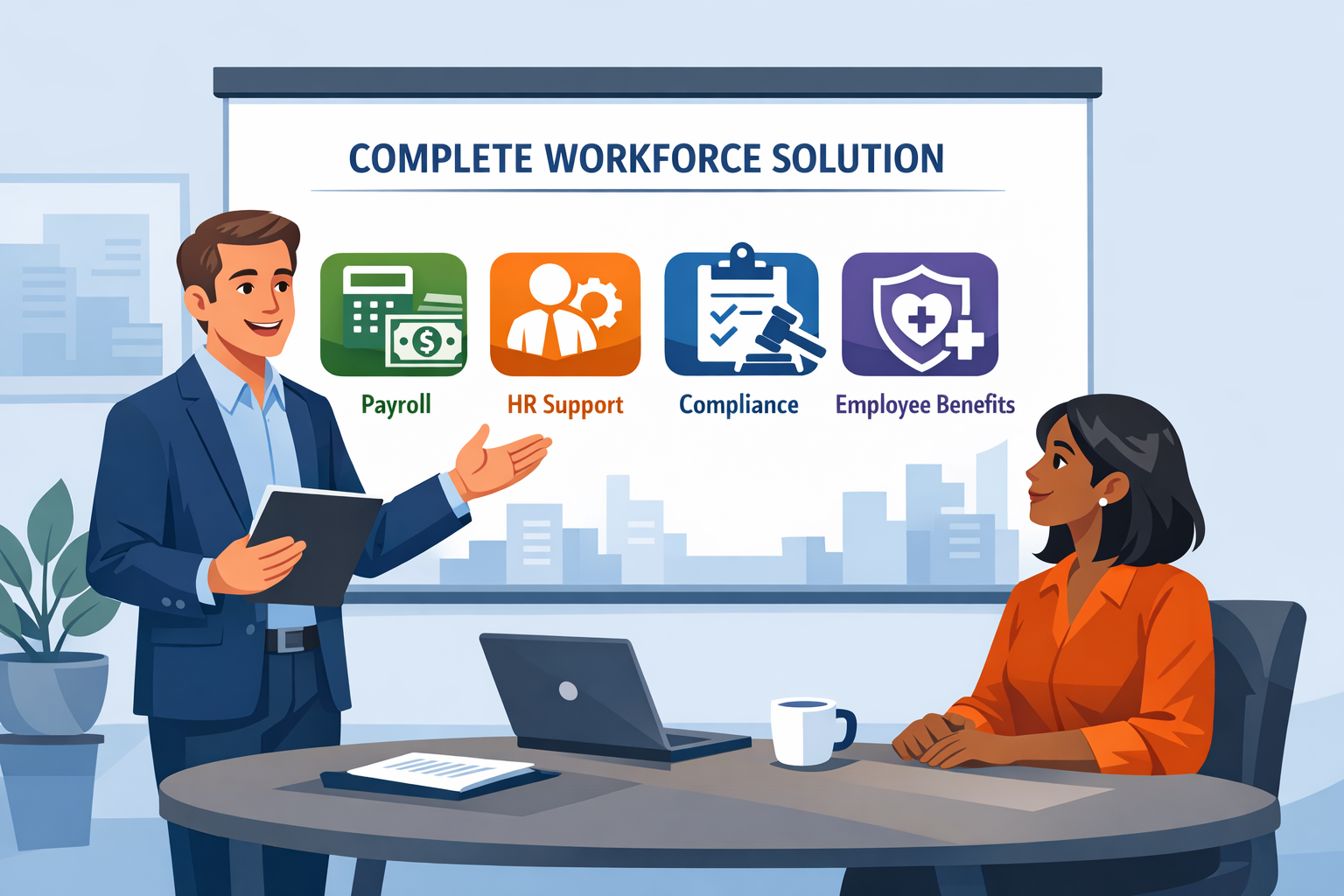
Strategic partnerships designed specifically for brokers can help you deliver comprehensive workforce solutions while strengthening your role as a strategic consultant.
Instead of competing with brokers, the best partnerships are structured to protect broker economics while expanding the value you bring to employer clients.
How the Elite Broker Alliance Helps Brokers Deliver More Value
Programs like the Elite Broker Alliance by HR Partners give brokers the ability to offer expanded HR solutions while maintaining their core role as the client’s benefits advisor.
Through this partnership model, brokers can introduce services such as:
- HR outsourcing
- payroll services
- compliance support
- HR technology platforms
- employee benefits administration
- workforce consulting
These services address many of the workforce challenges employers face today.
Rather than replacing the broker relationship, the program positions brokers as the architect of a complete HR and benefits strategy for their clients.
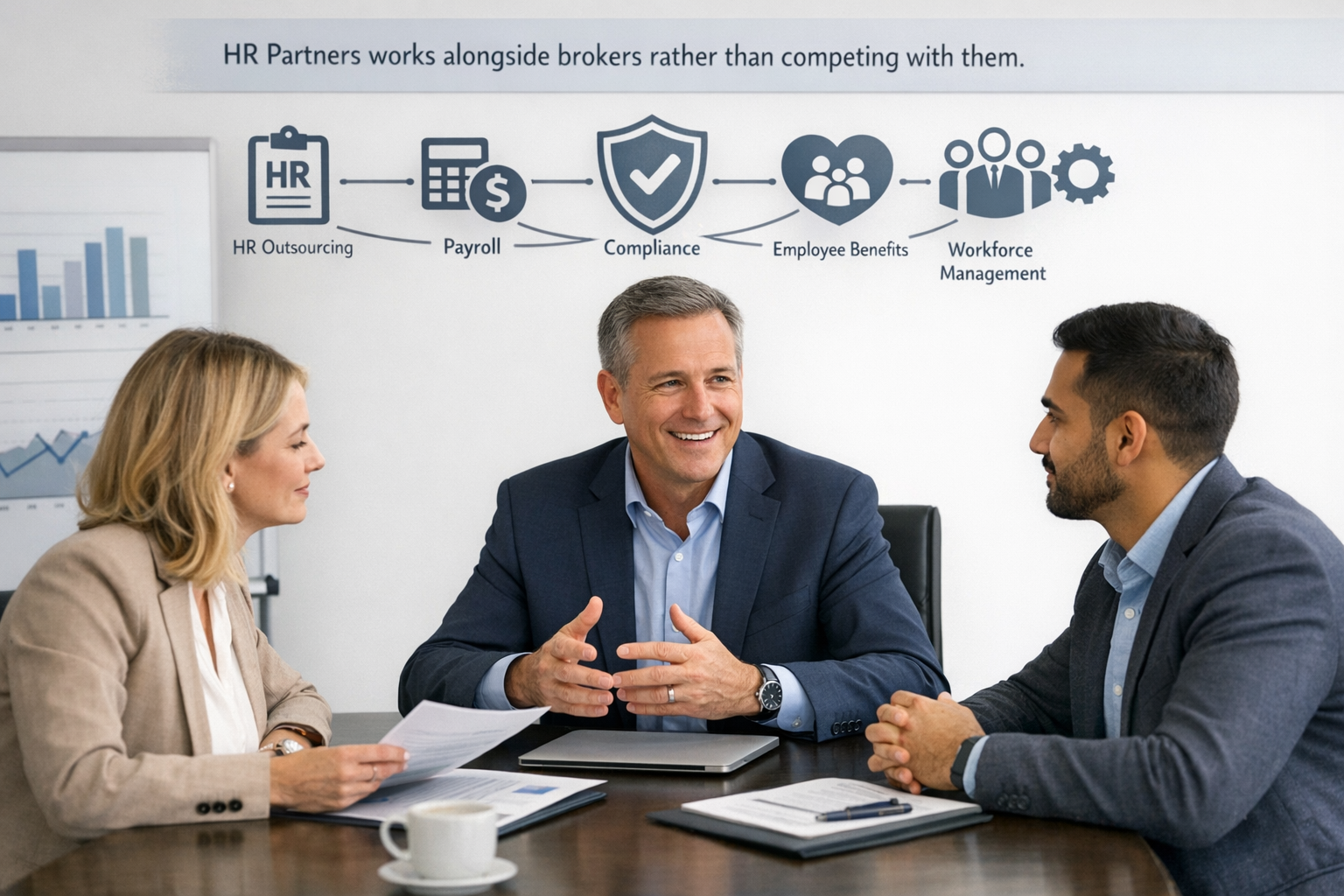
The Elite Broker Alliance follows a broker-first approach.
HR Partners works alongside brokers rather than competing with them. Brokers remain the primary advisor managing insurance and benefits programs while clients receive additional HR support through the partnership.
This model allows brokers to:
- keep their existing insurance commissions
- strengthen client relationships
- introduce additional workforce solutions
- earn referral revenue when clients partner with HR Partners
By expanding the solutions available to employers, brokers reinforce their role as strategic benefits consultants rather than transactional policy sellers.
Additional Support for Brokers
Beyond service expansion, the Elite Broker Alliance provides resources designed to help brokers successfully introduce these solutions to clients.
Brokers gain access to:
- co-marketing support
- dedicated broker landing pages
- joint client presentations
- sales enablement materials
- HR expertise and implementation specialists
These resources allow brokers to confidently present expanded services without needing to build HR infrastructure themselves.
Implementation is handled by experienced HR specialists who ensure a smooth onboarding process while keeping the broker informed and involved.
This white-glove approach strengthens the broker’s role while delivering the comprehensive solutions modern employers expect.
The Future of Insurance Brokerage
The insurance brokerage industry is evolving rapidly due to changing employer expectations, new technologies, and increasing regulatory complexity.
To remain competitive, brokers must move beyond transactional policy placement and adopt a more consultative, strategic role.
Several trends are shaping the future of brokerage.
Data-Driven Benefits Planning
Employers increasingly expect brokers to provide data insights and strategic recommendations, not just insurance quotes.
Analytics tools can help brokers:
- forecast healthcare cost trends
- analyze claims utilization
- identify high-risk populations
- recommend cost-saving strategies
Brokers who can deliver these insights position themselves as trusted strategic advisors.
Strategic Service Partnerships
Many successful brokers are building networks of specialized partners rather than trying to deliver every service themselves.
These partnerships allow brokers to provide clients with:
- HR outsourcing solutions
- payroll services
- compliance support
- HR technology platforms
- workforce consulting
The broker becomes the central advisor coordinating the entire benefits and HR strategy.
Artificial Intelligence in Brokerage
Artificial intelligence is also transforming how brokers operate.
AI-powered tools can help brokers:
- analyze benefits utilization data
- identify cost-saving opportunities
- forecast renewal costs
- automate employee benefits questions
- streamline administrative tasks
These technologies free brokers to focus on higher-value strategic consulting and relationship building.
The future of brokerage belongs to professionals who combine technology, strategic insight, and trusted relationships.

FAQ: Benefits Consultants vs Insurance Brokers
What is a benefits consultant?
A benefits consultant is a strategic advisor who helps employers design, manage, and optimize their employee benefits programs. In addition to placing insurance policies, consultants provide guidance on benefits strategy, compliance, workforce planning, vendor management, and employee engagement.
How is a benefits consultant different from an insurance broker?
A traditional insurance broker primarily focuses on placing policies and managing renewals. A benefits consultant takes a broader advisory role by providing year-round strategic guidance, analyzing benefits data, supporting compliance, and helping employers design programs that align with business goals.
Why do employers prefer benefits consultants?
Employers prefer benefits consultants because they provide ongoing strategic support, not just insurance placement. Consultants help control healthcare costs, navigate complex regulations, improve employee satisfaction, and create competitive benefits packages that support hiring and retention.
How can insurance brokers become trusted advisors?
Brokers become trusted advisors by shifting from transactional selling to strategic consulting. This includes providing data-driven insights, offering year-round guidance, educating clients on industry trends, and building partnerships that allow them to deliver comprehensive workforce solutions.